
Research area
European Security & Defence
How Europe organises its defence, where its autonomy is real and where competition is spreading next.
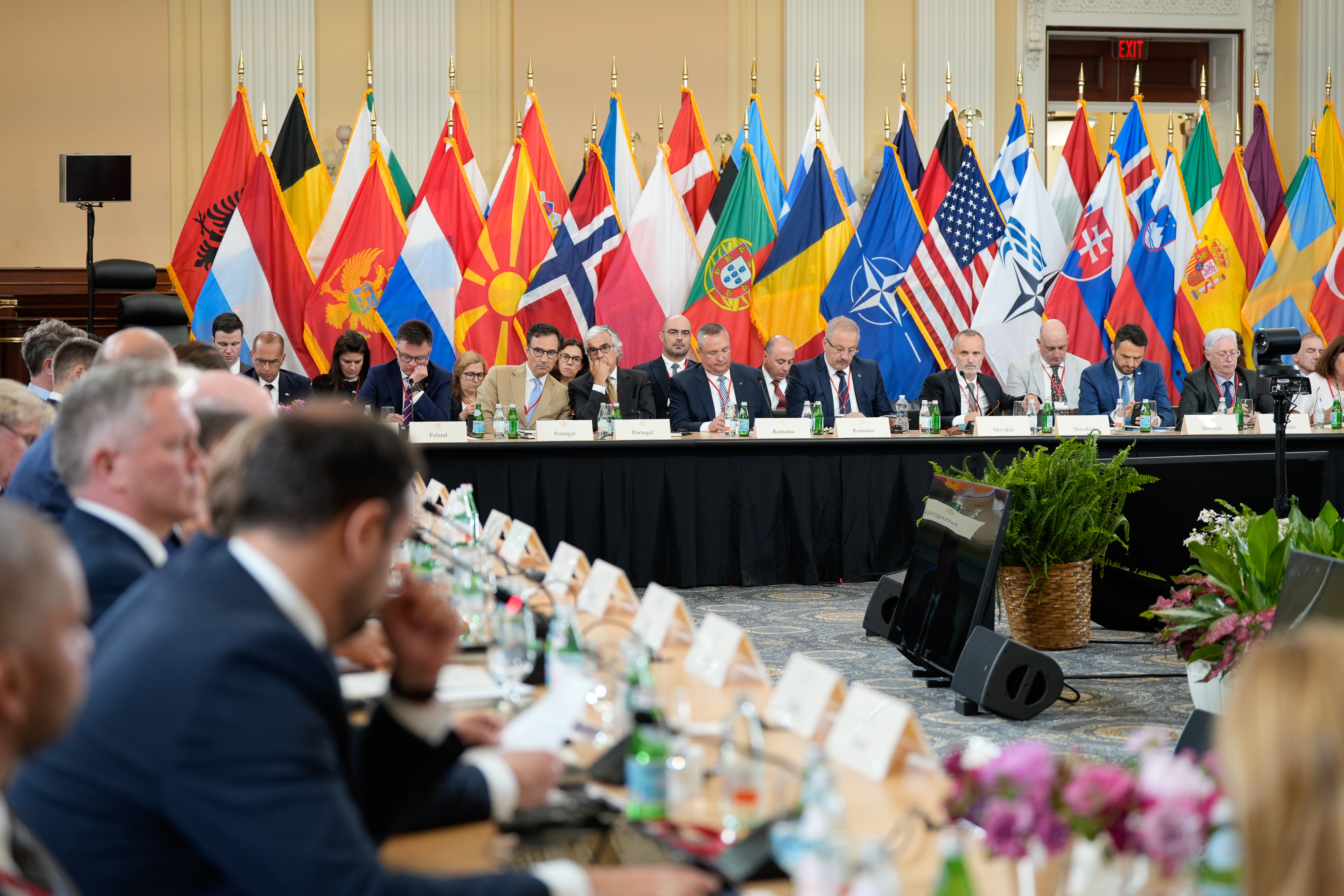
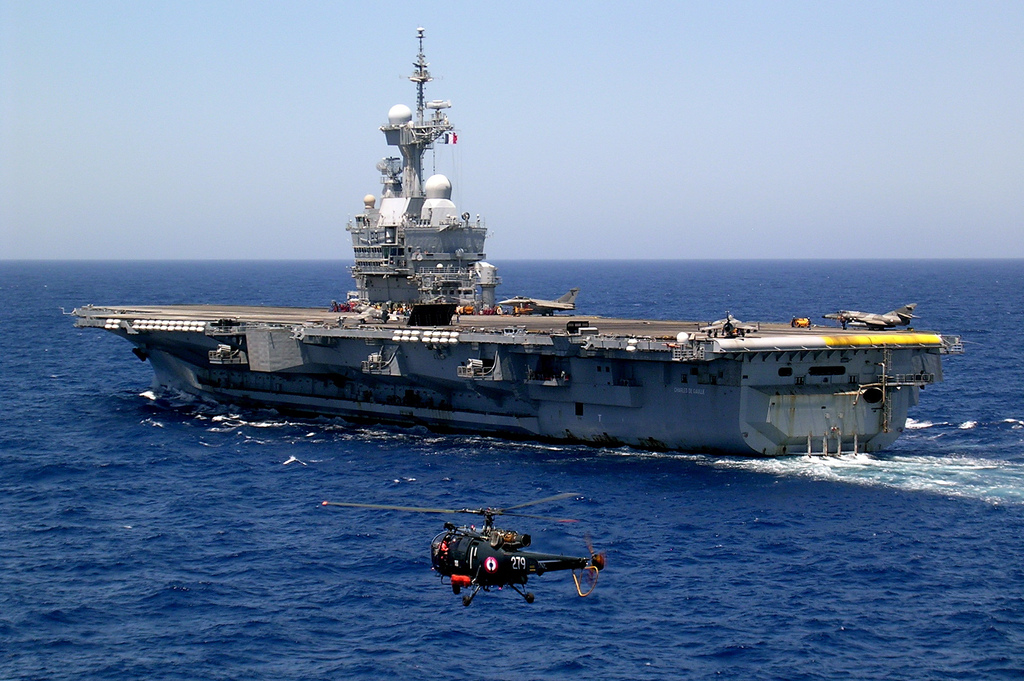
Security is the field we cover most. Our analysts look at how Europe organises its defence and where its strategic autonomy is real or merely rhetorical. They also follow a map of competition that now runs from the Atlantic to the Arctic, cyberspace and outer space.
What is Europe’s security gap?
The phrase usually means too little equipment and too little spending. We argue the tighter constraint is executive: who decides, how fast and with what authority.
Budgets can rise within one political cycle. Decision-making structures, procurement authority and the capacity to act coherently under pressure cannot.
Can NATO become more European?
European burden-shifting inside NATO has moved from theory to planning. Germany’s Gesamtkonzeption is the most developed attempt yet to spell out what a more European alliance would require, of Berlin first and then of its allies.
Our analysis works through the concept and the political price of delivering it.
Read: The Gesamtkonzeption: Germany’s blueprint for a more European NATO
Is European strategic autonomy real?
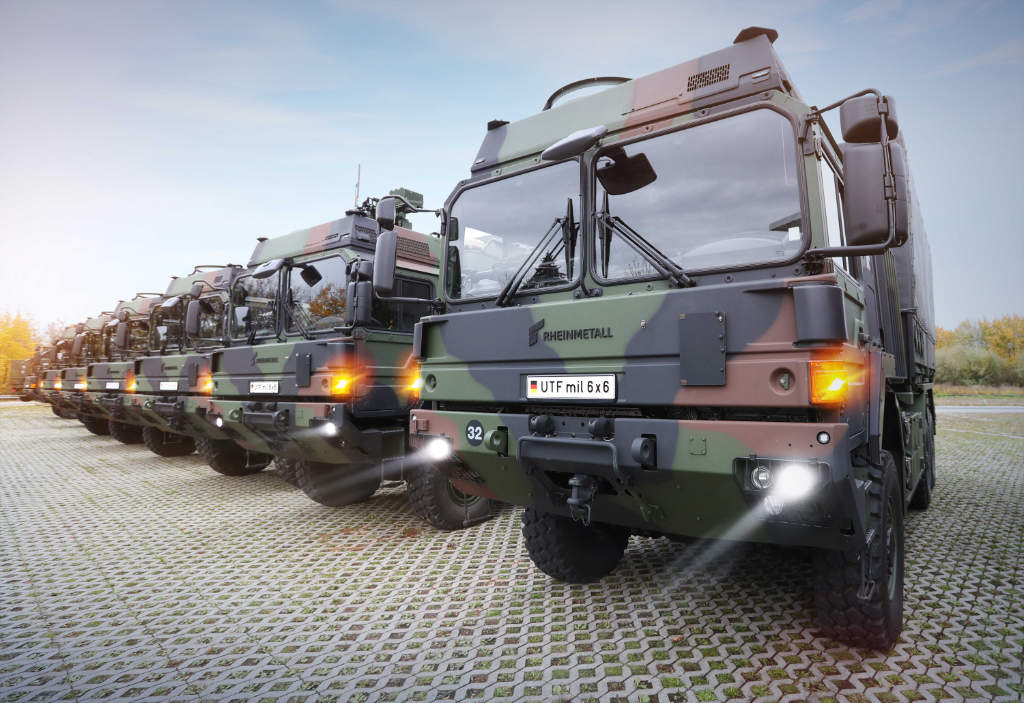
Strategic autonomy is invoked constantly and defined rarely. Our work separates the parts of Europe’s defence-technological base that are genuinely self-reliant from those where dependence on foreign suppliers is structural.
It then asks what closing that gap would take in funding, industrial policy and political will.
Where are the new theatres of European competition?
Within a decade, three domains have moved from the edge of European security planning to its centre.
The Arctic
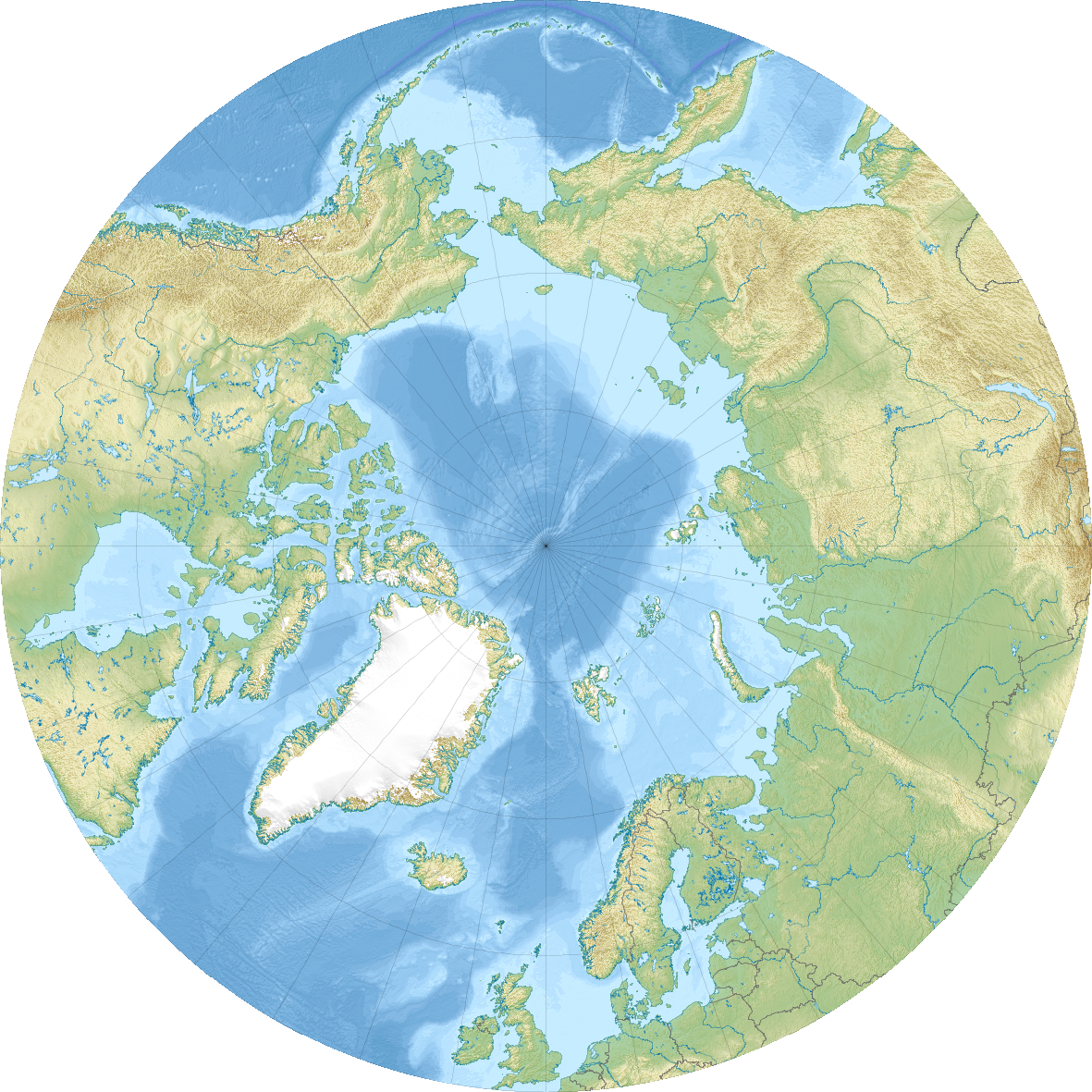
Retreating ice is opening sea routes and resources, turning the High North into a contested northern Mediterranean.
A New Mediterranean in the North: Power Politics in the Arctic and Europe’s Strategic Horizon

Outer space
Copernicus, launch capability and orbital security are now defence questions, not science policy.
Beyond Two Dimensions: Europe’s Geopolitical Future in Outer Space
Cyberspace
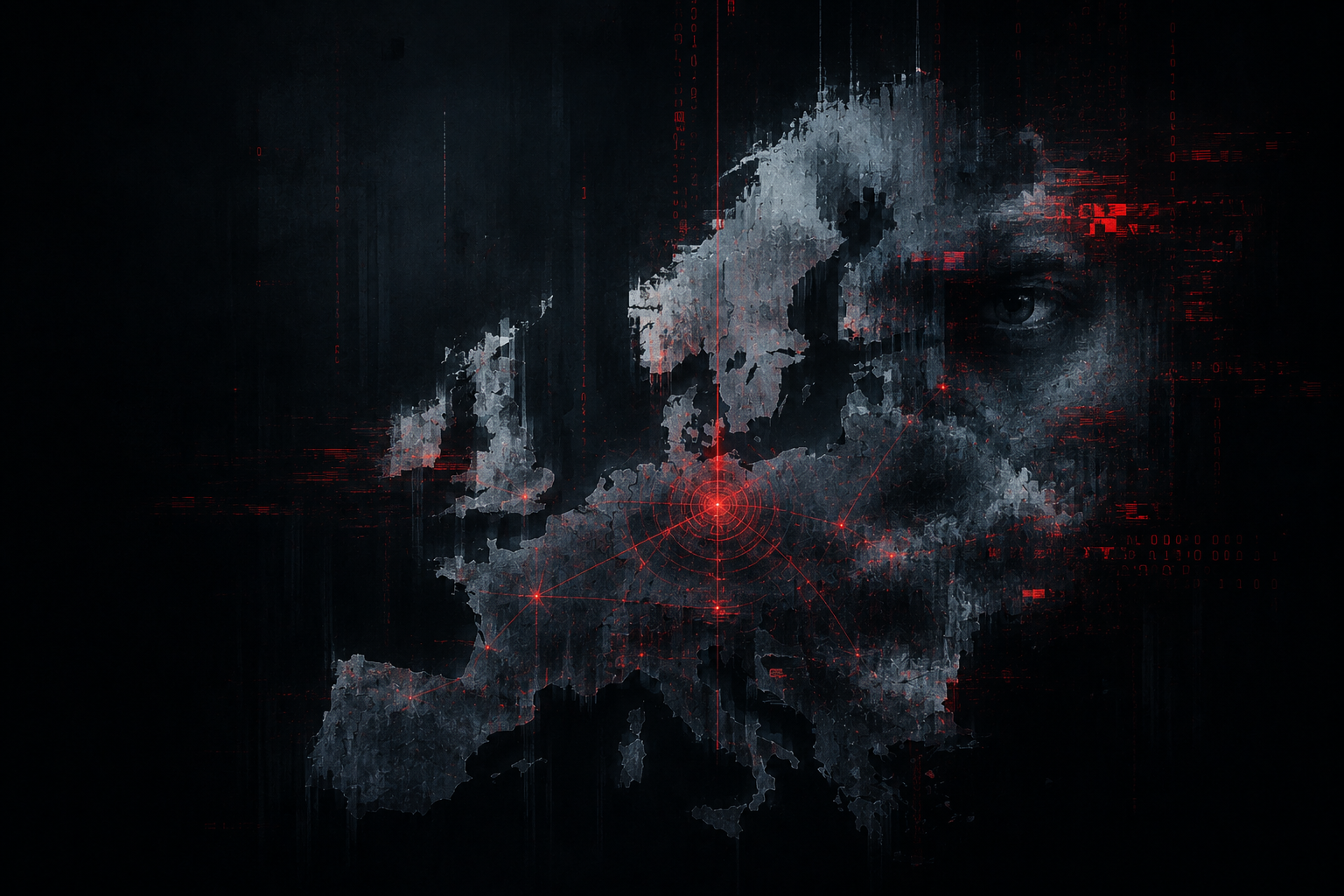
Grey-zone operations apply steady pressure below the threshold of open conflict.
How do smaller European states manage alliance pressure?
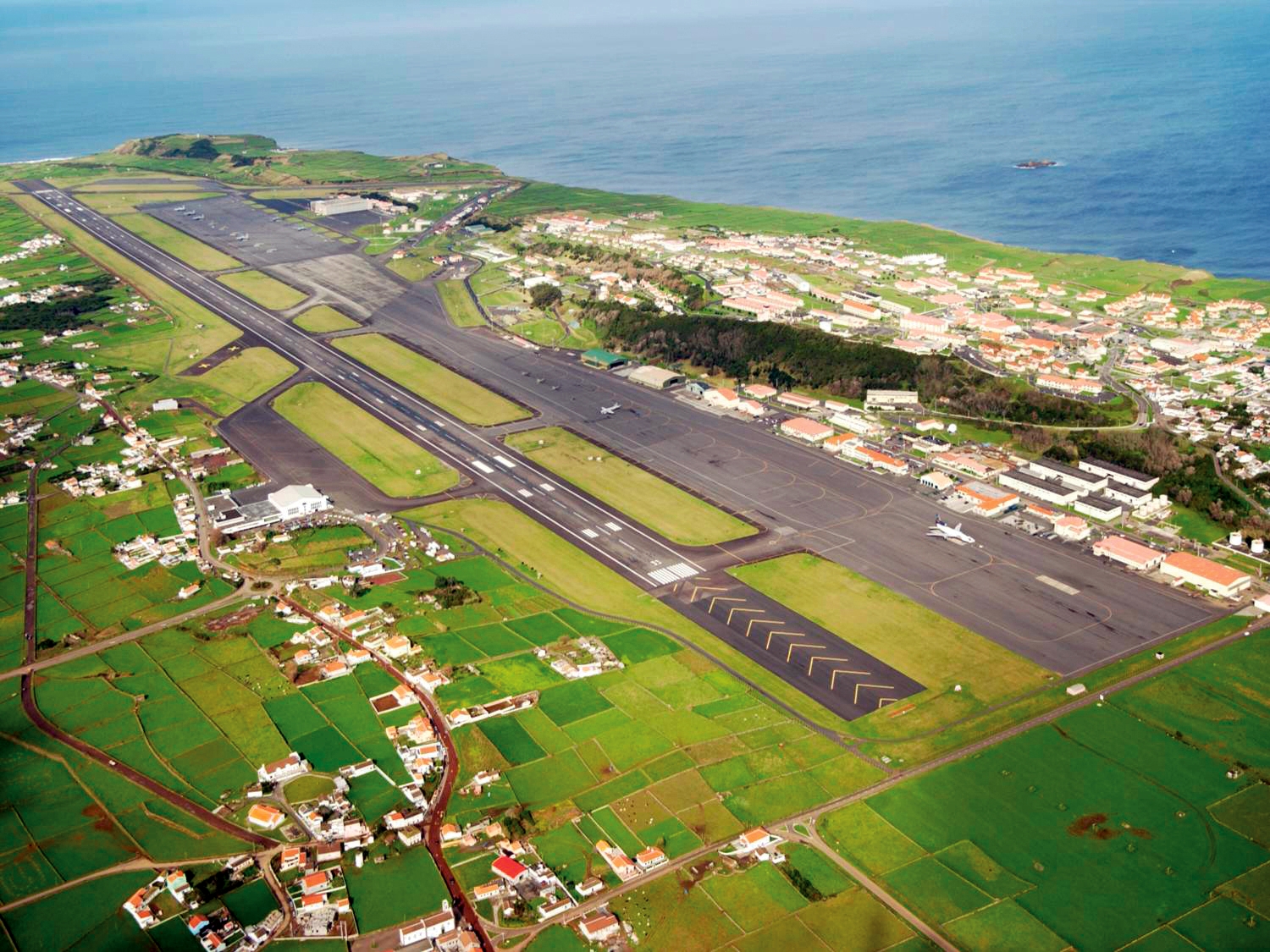
Alliance politics is usually written from the viewpoint of its largest members. Our study of Portugal and the Lajes air base during the war in Iran takes the opposite case.
It follows a small state meeting its obligations to a far larger ally while handling domestic constraints. It asks what that pragmatism costs and what it buys.
All security and defence analysis
Browse the full archive or the related technology and EU policy collections.
The Neo Institute Europa is a Luxembourg-registered non-profit (ASBL no. F15340). Our analysis is written by early-career researchers across Europe. To commission work, collaborate or contribute, see our Contact page.

