
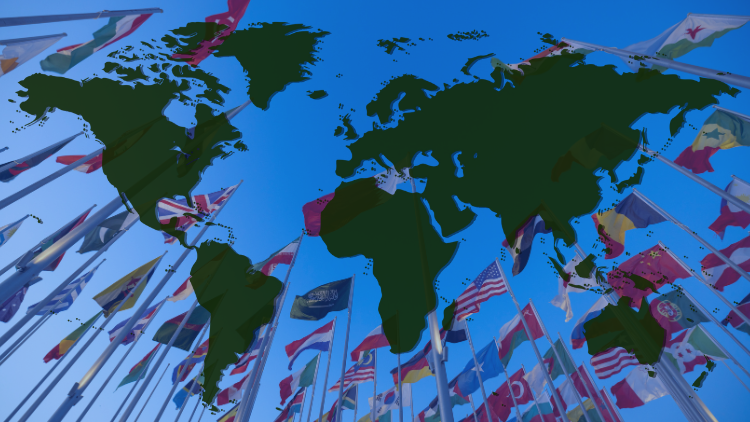
Online course by the Neo Institute Europa
Understand how the world order works, through three theories and three cases you already know.
Self-paced, beginner friendly, with a certificate. Rated 4.9 on Udemy.
Level
Beginner
Format
Self-paced video
Certificate
Included
Rating
4.9 on Udemy
What you’ll learn
Each module pairs one theory with one live case, so nothing stays abstract for long.
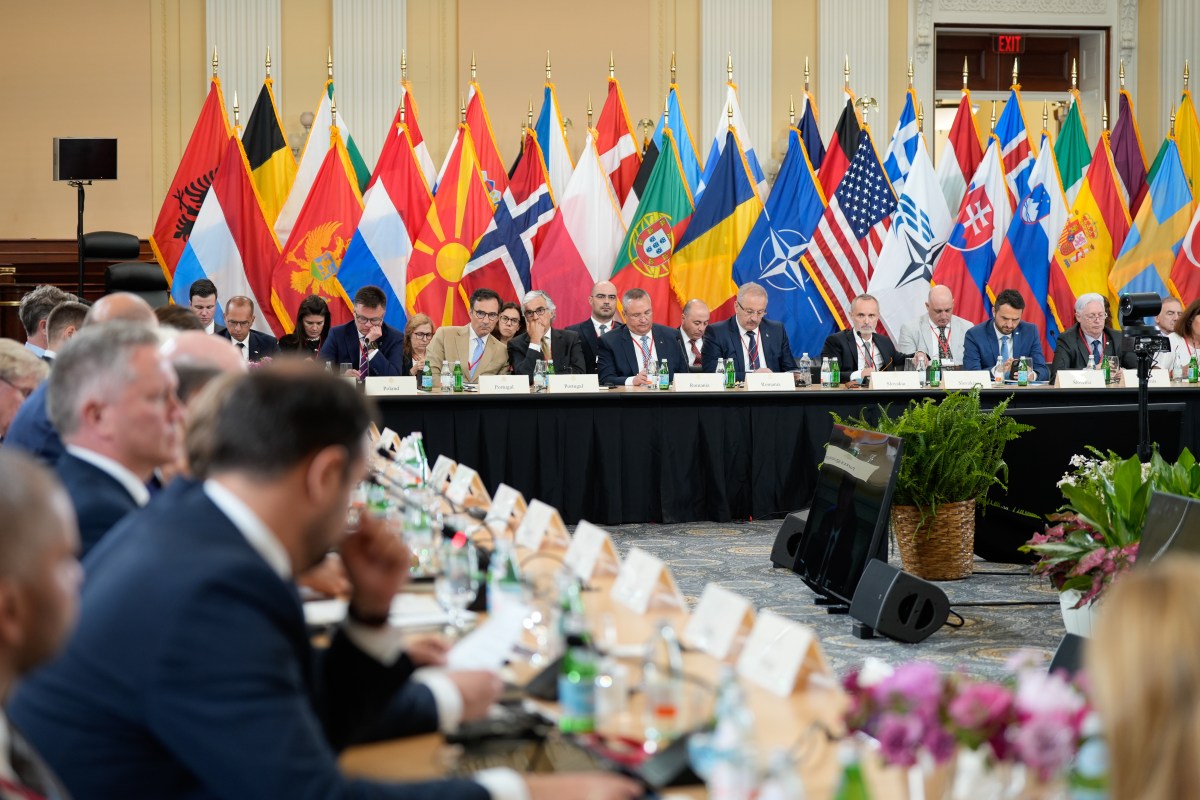
Realism, through the war in Ukraine
State survival, the balance of power and the security dilemma.
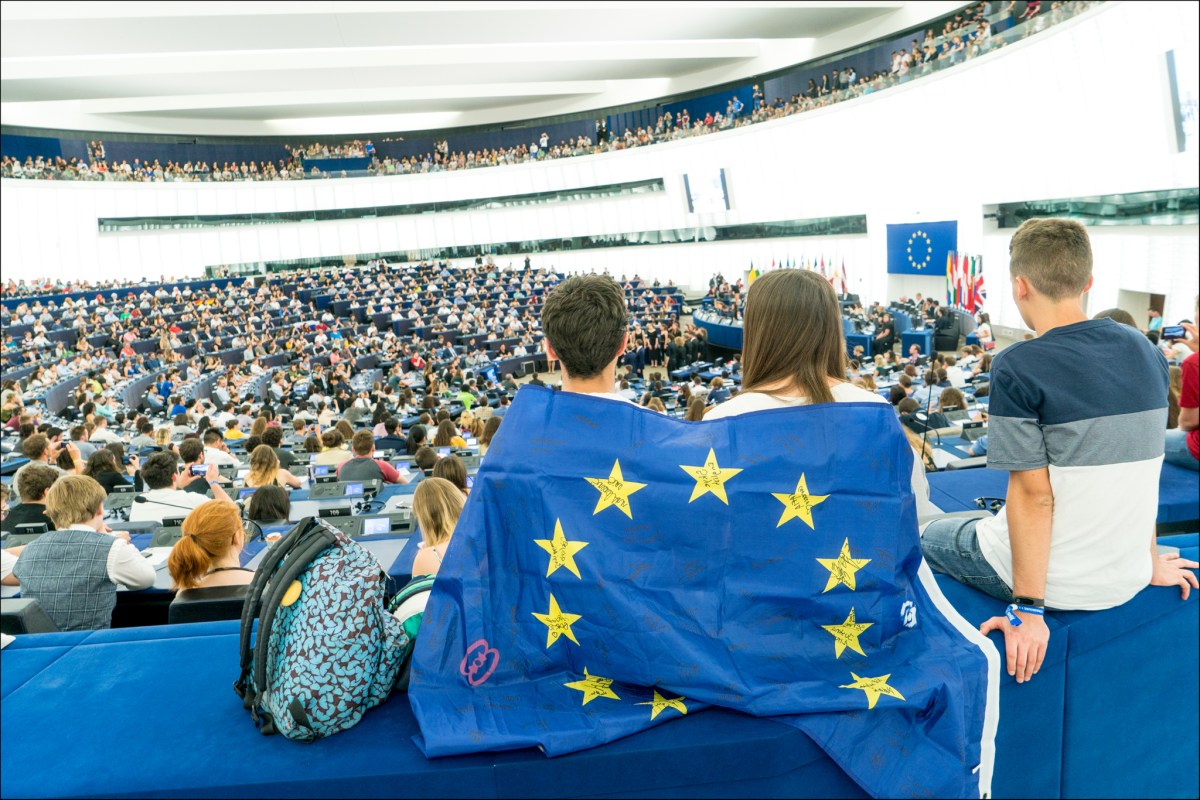
Liberalism, through the European Union
Institutions, trade interdependence and shared governance.
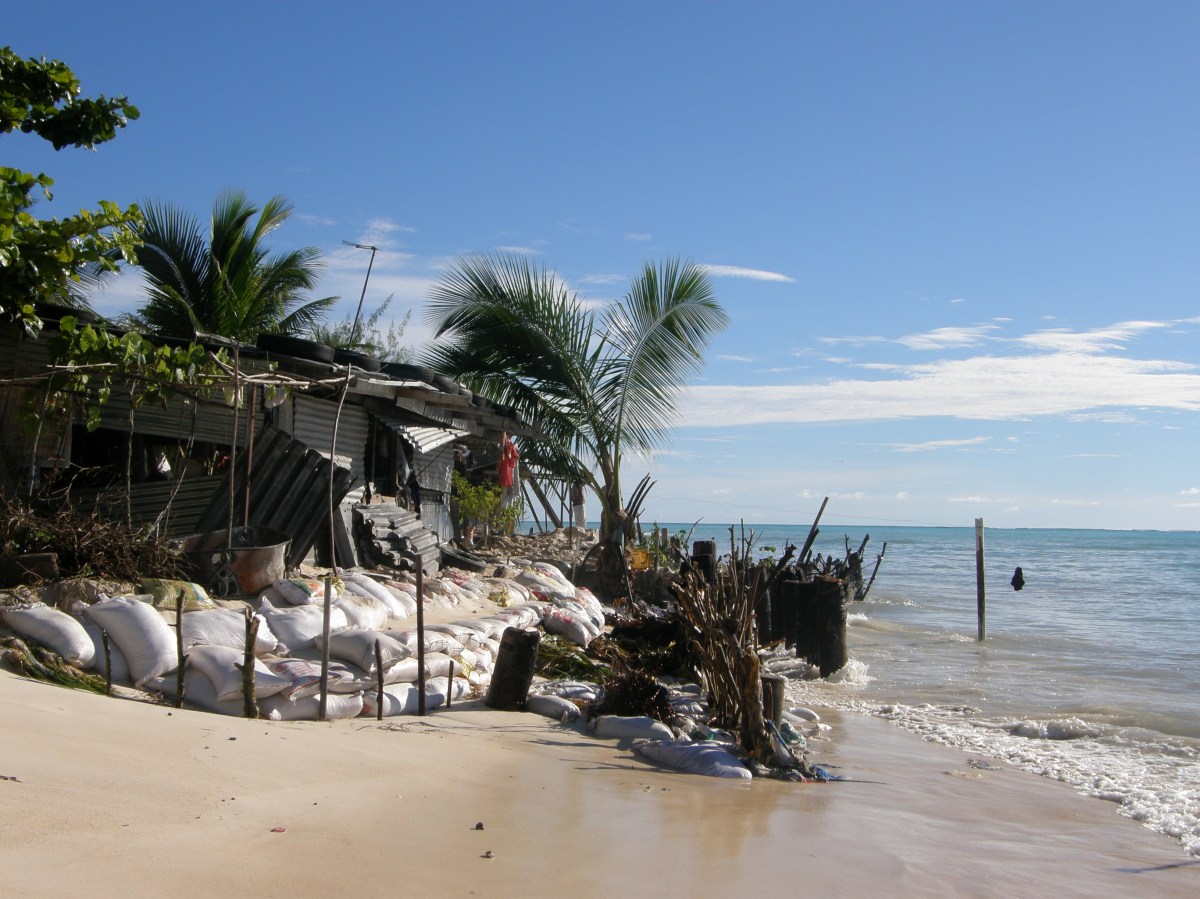
Constructivism, through global climate talks
How ideas, identities and norms reshape what states want.
Each card links to related analysis from the Institute.
By the end of the course, you will be able to
Trace the history
Follow international relations from the Peace of Westphalia to today’s multipolar order.
See the connections
Explain how supply chains, sanctions and diplomacy reach into everyday life, from food prices to your news feed.
Think like an analyst
Read events and diplomatic manoeuvres with the discipline analysts bring to them.
Judge the news
Weigh international news on evidence rather than on whichever framing reached you first.
The world is not a series of accidents
A peacekeeping mandate, a tariff dispute between America and China, a post from a head of state at midnight: none of it is random. Each follows patterns that international relations has spent a century describing. This course sets out those patterns, the institutions that carry them and the theories that explain when states co-operate, when they compete and when they fight.
Theory is easier to grasp when it is pinned to something you have already read about.
You will see how the United Nations works in practice rather than on paper, why neighbours with every reason to co-operate sometimes fight, and how a shipping route thousands of miles away sets the price of what you buy. Work through it in an evening or over a month; there are no deadlines.
Who the course is for
Students and lifelong learners
A rigorous introduction for politics, history and economics students, and for anyone coming back to study.
Professionals
Useful groundwork for anyone whose work touches government, NGOs, journalism or policy.
Engaged citizens
For readers who finish a news report and want to know why it happened.
Your instructor
Adrian Diez Cuadrado is the founder and project lead of the Neo Institute Europa and holds a Master’s degree in Political Science and International Relations from the University of Amsterdam.
Free access if you can’t afford it
We believe education should be open to anyone, anywhere. If the price is a barrier, email us at contact@neoinstituteeuropa.org and we’ll give you free access to the course. Offering free places is part of our mission as a non-profit.
Frequently asked questions
Do I need any background in politics, history or economics?
No. The course starts from first principles and explains every term it uses, drawing on events you have already read about.
How long does it take?
It is entirely self-paced. Most students finish over a few evenings, and nothing expires: access through your Udemy account is permanent.
Will I get a certificate?
Yes. Udemy issues a certificate on completion, which you can add to your LinkedIn profile or CV.
How much does it cost?
Udemy sets the price, and it changes with Udemy’s promotions. If the price is a barrier, email us and we’ll give you free access.
Who teaches the course?
Adrian Diez Cuadrado, founder of the Neo Institute Europa, who holds a Master’s degree in Political Science and International Relations from the University of Amsterdam.
Is there a refund policy?
Yes. Udemy applies a 30-day money-back guarantee to every course it sells, this one included.
Trade, conflict, climate and politics are connected. Learn to see how.
Energy prices, migration, elections and wars all shape one another. International relations gives you the tools to trace those links and understand why events unfold the way they do. Connected Worlds is produced by the Neo Institute Europa, a non-profit think tank registered in Luxembourg (ASBL, RCS F15340). Learn more about the Institute.

