
Research area
Cyber, Technology & Digital Policy
Who targets Europe online, how digital dependence shapes its power and where the Union’s response falls short.
Technology is where Europe’s strategic weakness is least visible and most consequential. We track how cyber operations, digital dependence and emerging technologies reshape European power.
How does Russia use cyber operations against Europe?
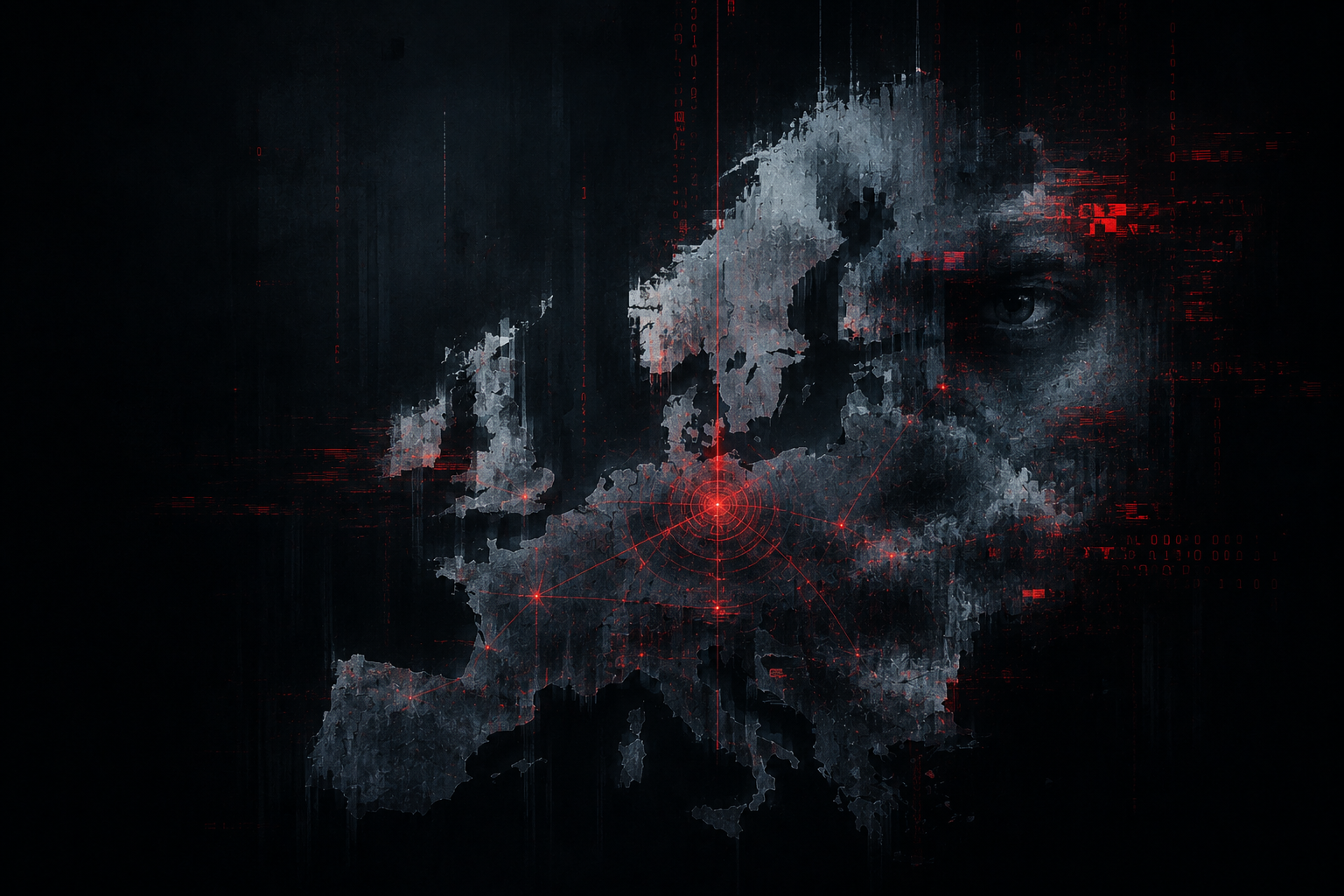
Russian cyber activity is best read as grey-zone statecraft: sustained pressure held deliberately below the threshold of open conflict. It runs through the GRU, FSB and SVR alongside proxy and contractor groups, which preserves deniability and complicates attribution.
The methods rely on persistence and timing more than novelty: spear-phishing and credential theft for access, long-term collection once inside, supply chain compromise and selective leaks to shape narratives. SolarWinds, NotPetya and MacronLeaks show the range. The result is eroded trust and a rising defensive bill, as cheap attacks force sustained European spending.
What is China’s cyber footprint in Europe?
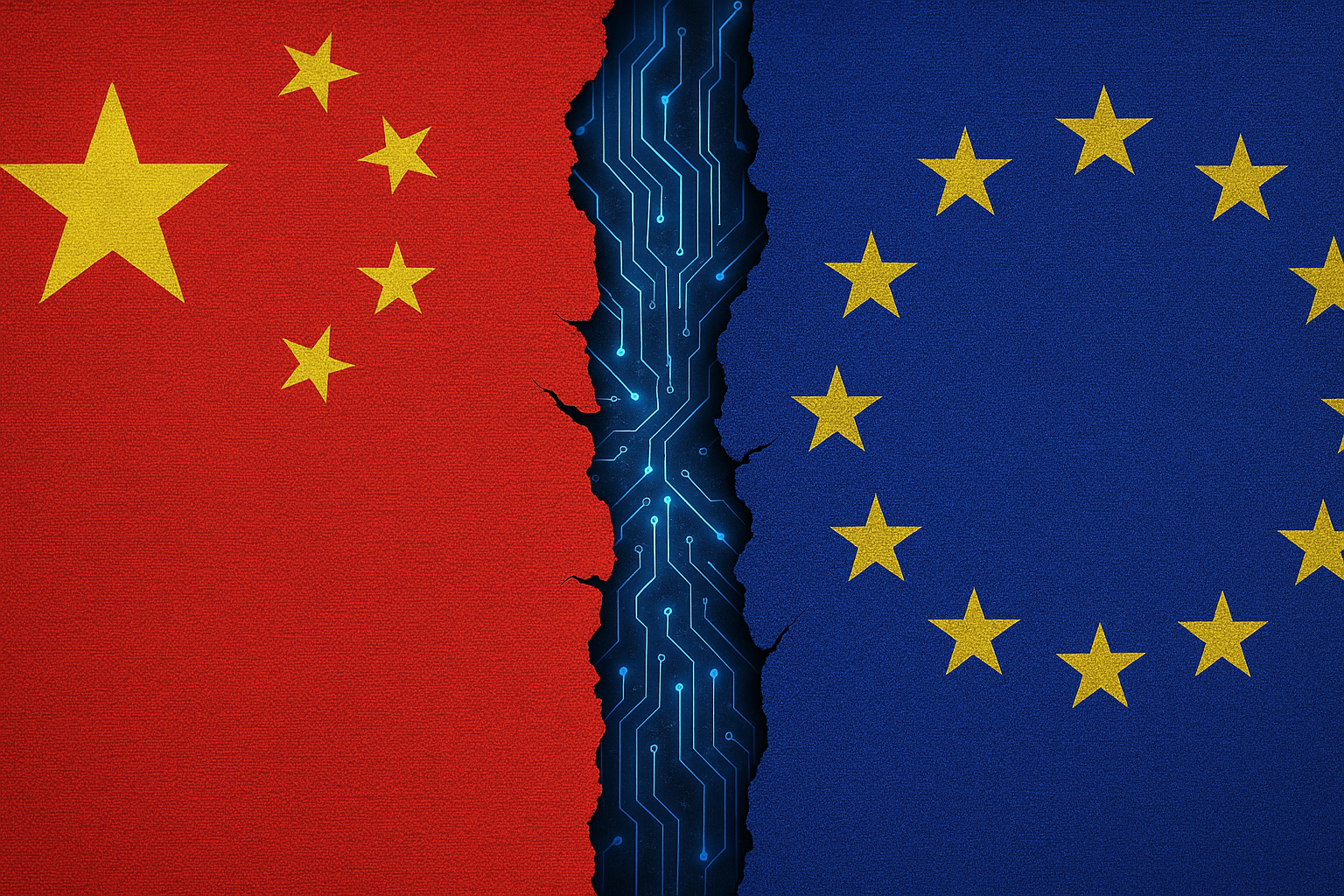
Where Russian activity is disruptive and often visible, China’s is quieter and more infrastructural. It runs through espionage, access to critical infrastructure and positioning in supply chains.
Our analysis sets out what it targets and what real EU digital sovereignty would require in response.
Where does Europe stand in the quantum race?
Europe leads the world in quantum research publications and loses ground at commercialisation. It is the familiar pattern of strong early research that moves abroad once funding and scale arrive.
The EU Quantum Strategy and the EuroHPC Joint Undertaking aim to close that gap, and the first European quantum computers have opened in Poznań and Ostrava. We argue Europe should convert its research lead through demand-side policy, skills and mobility, plus partnerships such as EU-Japan cooperation. Trying to outspend the US or China is not a realistic route.

Can Europe build its own defence technology?
Defence technology is where digital policy meets security policy. Our work tests how far Europe’s goal of technological self-reliance survives contact with its real supplier dependencies and what dual-use and critical-technology policy would need to change.


All technology and cyber analysis
Browse the full archive or the related security and defence collection.
The Neo Institute Europa is a Luxembourg-registered non-profit (ASBL no. F15340) publishing analysis by early-career researchers across Europe. To collaborate or contribute, see our Contact page.

