
Research area
Youth & European Participation
How young people enter European political and economic life, and what keeps them out.
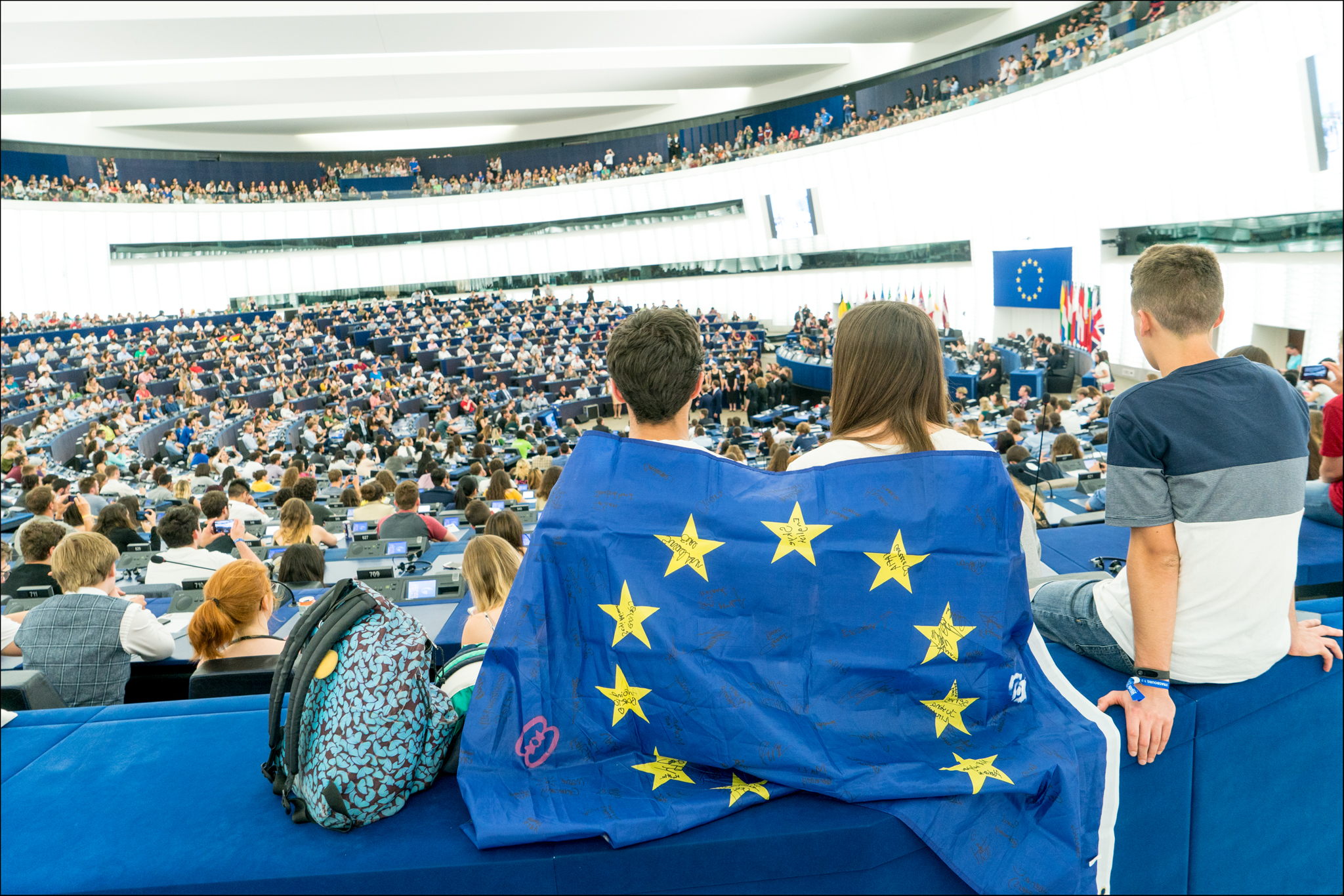
Young Europeans are talked about in policy far more often than they are heard in it. The Neo Institute Europa is a Luxembourg-registered non-profit whose analysis is written by early-career researchers, so youth participation is both our subject and our method.
Why are young Europeans absent from EU policymaking?
Absence is rarely formal exclusion. It shows up as omission: in agendas, in speeches and in how problems are framed.
The 2025 State of the European Union address is a clear case. It set the Union’s priorities for the year ahead and said strikingly little about the generation that will live with them longest. We read that silence as a structural signal, not an oversight.
Read: There is Someone Missing From Von Der Leyen’s 2025 SOTEU: It’s Young Europeans
What has happened to entry-level work in Europe?
The rung that used to admit people to the labour market has largely gone. Roles once billed as entry-level now demand experience that cannot be gained without them.
Working through EU youth unemployment data, we argue this is a design failure of the labour market, not a shortcoming of the generation entering it.

What are youth protest movements actually about?
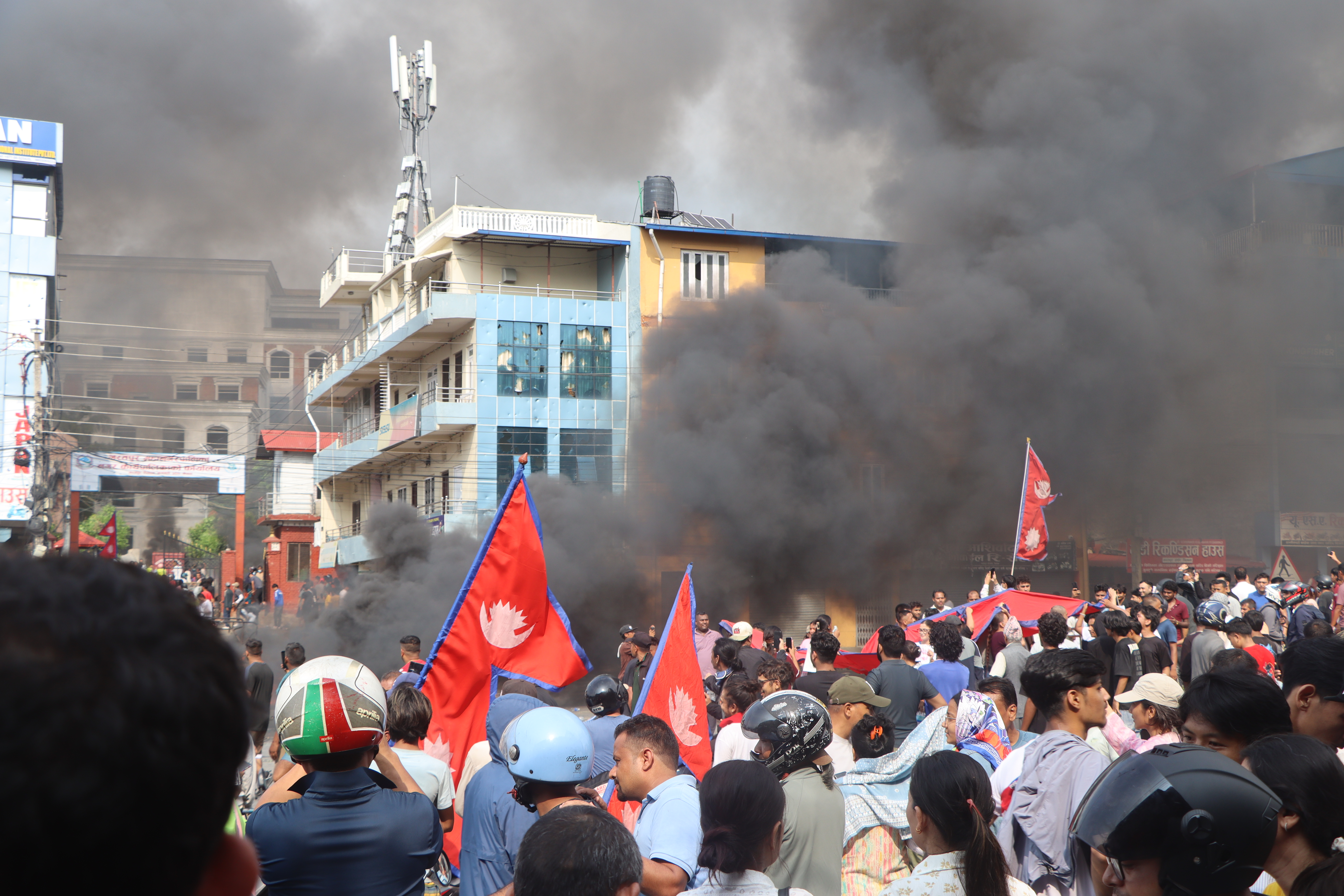
Youth-led movements are routinely reduced to their most visible trigger. Nepal’s 2025 protests were widely reported as a reaction to a social media ban.
We argue the ban was a catalyst, not a cause. Nepotism, blocked mobility and political misrepresentation explain the scale of the movement and what it is likely to demand next. The pattern reaches well beyond Nepal.
What does online life cost young women?
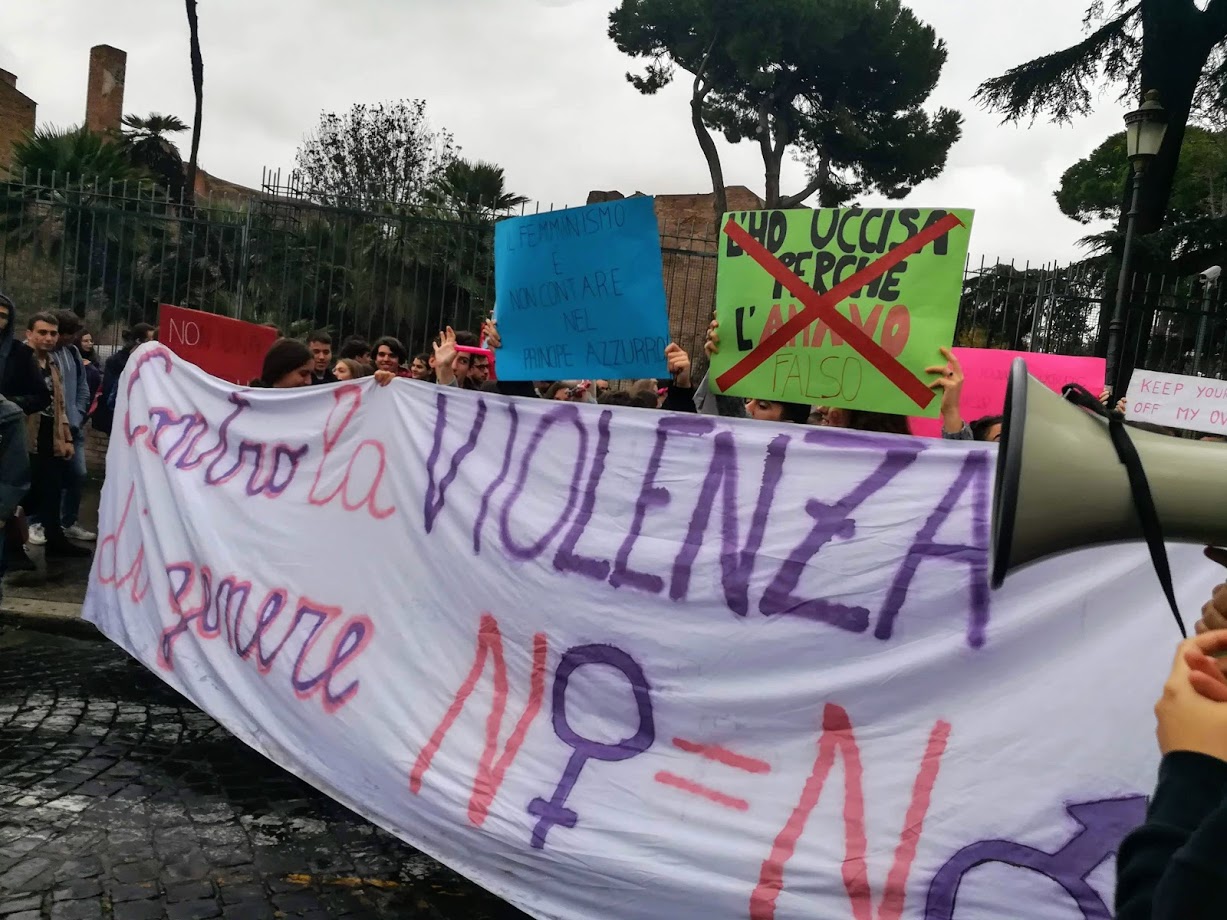
Digital platforms were meant to lower the barrier to public life. For women they have also raised its cost through surveillance, harassment and the constant management of visibility. We examine who that deters from speaking and what it means for feminist politics in practice.
How does the Institute involve young researchers?
Early-career researchers and analysts lead the work on a volunteer basis, supported by senior advisors. Every article carries a named author.
If you write on European affairs, geopolitics or social policy, email us with a short note on your background. Prior publication is not required.
We also run Connected Worlds, a self-paced online course in international relations for beginners, and build tailored learning programmes for organisations.
All youth and society analysis
Browse the full archive or the related EU policy collection.
Questions about the Institute itself? See the FAQ.

